
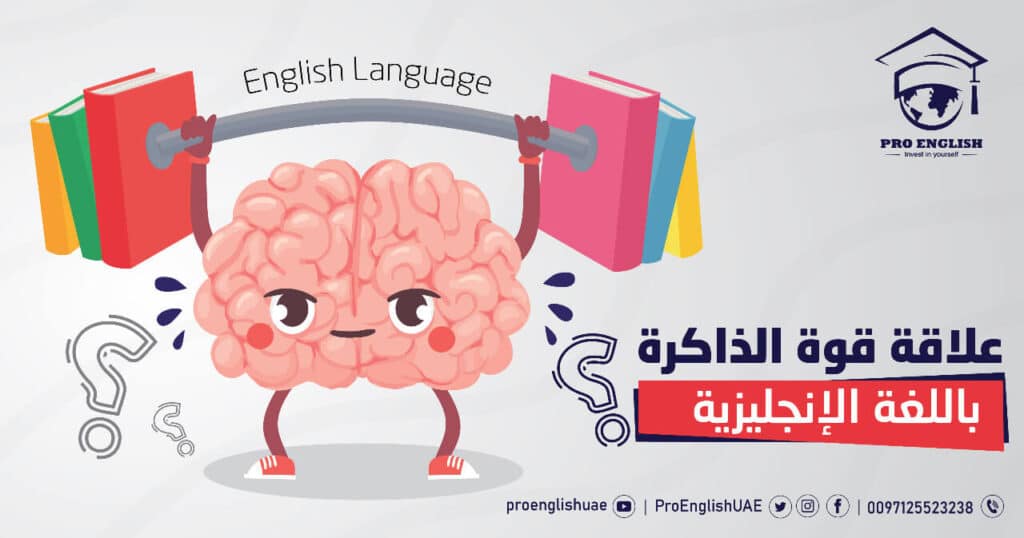
How is language connected to memory?
Scientific studies have proven that there is a close relationship between four key elements: learning – memory – the brain – language.
A notable experiment was conducted on a group of military personnel under the supervision of Johan Marnson. The goal was to determine the effect of learning a new language on the brain. The hypothesis was confirmed: the group that learned a new language showed unusual activity in the memory areas of the brain. Brain activity was measured before and after three months for both the group that learned a language and the group that did not.
The results showed that learning a new foreign language stimulates memory and fundamentally enhances brain performance.
Additionally, John Anderson’s ACT theory demonstrated that learning a new language activates three types of memory:
Procedural Memory (Habits): Helps in understanding sentence structures and vocabulary.
Semantic Memory: Stores general knowledge and the meanings of words.
Declarative or Personal Memory: Connects personal experiences with language use.
In conclusion, learning a new foreign language, especially English due to its global importance, makes the memory area of the brain more active and increases its capacity compared to those who do not learn a new language.